

THE WISE WARRIOR AVOIDS THE BATTLE
Sun Tzu, The Art of War
Note: None of the material or content contained herein constitutes investment advice. It is solely for educational and informational purposes. Past performance is not an indicator of future performance.
Investing is a funny game. You need to be open minded but sceptical, convinced in your view but ever doubtful, patient but paranoid, not watch the tape but be ever watchful to changes in the story. This paradoxical existence can often lead us to taking on battles we needn’t be in.
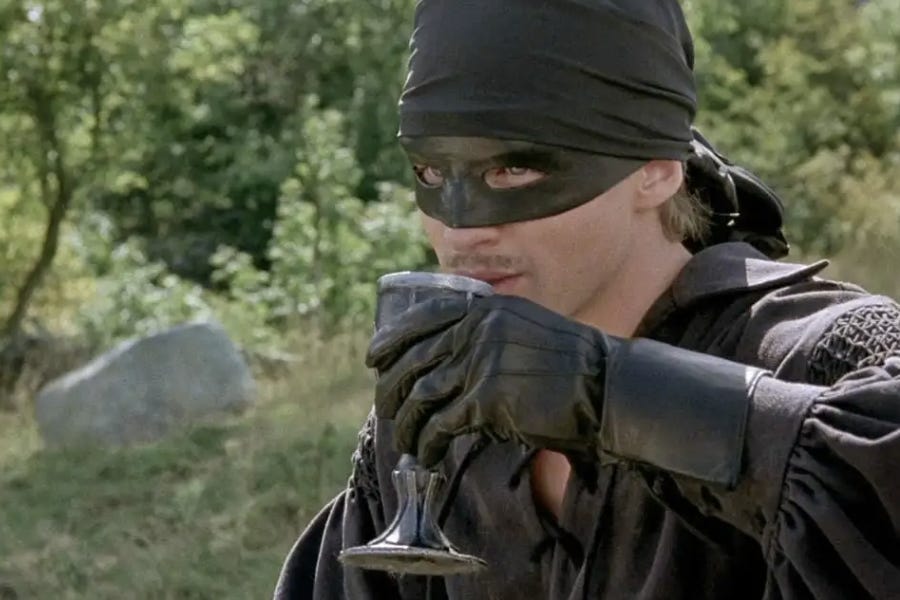
Within the investing world, at any one time, there are a myriad of battles occurring. Portfolio managers big and small engage in back and forths in the public forum about the merits of a range of investment theses, from the more general, such as the direction of major markets to the more niche, like how Sirius XM will do (a stock with a high short interest to its active long interest). They do so to generate attention, to test their argument (this is a more theoretical reason in practice), to signal their prophetic prowess and, in some cases, they hope to move the price in the direction of their argument. But, investing is also a game where if you wait long enough, the numbers will eventually appear on the board and those locked in battle will know who is right, and who is dead (to quote the famous The Princess Bride scene above). Stocks where there are relatively high short positions compared to the active long positions are called battleground stocks.
Earlier in my career, I felt -strongly - that I had the measure of stocks that were clearly in line for a fall and while I never explicitly went short, I was very vocal and very smug in expressing my views. Very often they did not play out as I had said and I was left red faced. The relatively minor cost to my ego though was an invaluable investment experience. I learned that spotting shorts is not as straightforward as spotting longs and where the twain meet, you don’t really need to be.

Later in my career I ran headlong into such a situation. In H2 2019, Wirecard was a darling of European tech, loved by the sell side and held up as an example of Europe’s ability to develop tech companies. It was on our list and was heavily recommended. Then Dan McCrum of the FT wrote a pointed piece outlining his concerns about the company, serious concerns. This created a hive of battle activity, backs and forths, mostly in defence of the company. Committees were arranged, auditors hired, meetings held, notes upon notes were written, many conference calls (as it was at the time) were made. The price fell at first but regained the lost ground and moved on. The sell side didn’t move their view much but bolstered their position that the company had addressed the issue, but when you looked through the hive of activity, they hadn’t really addressed the concerns Dan raised. I followed the backs and forths at first but quickly realised I was not going to get an edge, or even if i did it wouldn’t be worth that much. So, for my part, under some challenge and pressure, I pushed through the removal of the name from the list. Ultimately, we didn’t need the battle. There are thousands of opportunities out there, we moved on and dedicated resource to that. A few months later, it came out that Dan and the FT were correct. The stock collapsed. It wasn’t edge and insight that protected the portfolio from Wirecard, it was simply avoiding a battle that wasn’t necessary to the goal.
Have you faced similar battles? Are you fighting a battle today that maybe isn’t worth it and you can just step away?